
“Messenger Boy 296” by Lily Francis Lemrow-Collazo-Rosario
My papa was always on time
He was never late
My papa came when they called
He was always ready
My papa was always running
He was never slow
My papa was the fastest in the game
He was always hungry
José worked, worked, and worked
Worked wanting, worked wishing, worked waiting
He worked waiting for the money he was owed
My papa would deliver it to his family and kept the spare change
My papa waited for his dreams to sprout
Buying time for himself in the streets
Hauling packages with his future sealed between folds
My papa worked, worked, and worked
José worked thinking of his sisters and brothers
José worked thinking of his choices and futures
José worked thinking of his games and candies
José worked thinking of his dimes and dollars
My papa knew he was born to survive Spanish Harlem as long as he kept this delivery job
The one that broke his back and spat him out with nothing but more deliveries
He saw his name as the one who was fast
The one who could deliver all the way to Staten Island
My papa was trained to survive this work that beat, broke, and battered his arms
And celebrated when he came back ahead of schedule, ready for the next 20 pounds of agony
And yet he was always ready to catch a cab if he could, stuffing the dreadful drag between his
feet
José worked tired, tearful, and triumphant
My papa was always the best
He was never mediocre
My papa was always there
He was never gone
My papa was always a Nuyorican
He was never ashamed to be Puerto Rican
And he worked for the lowest wages of the ages
And kept his head held high when the rages named him things no mind could fathom
Spic, spic, spic
He never tolerated it and sometimes he’d let them know
Throwing punches here and there and everywhere
But speak this
José worked loving his family and his family's friends and the friends of those friends
José worked loving his endless imagination and the ideas that came along with not attending
college
José worked loving his identity and the community that came from Spanish Harlem
José worked loving the jazz and blues that sang his ears to sleep at night
José
Rafael
Rosario
Will now be doing his own thing
Eating chocolate and indulging in wine until 3 a.m.
Growing older and older alongside his grandchildren
Cooking pasteles, pernil, and making things picante
Dancing to salsa through his even older CD player
Papa José will never get tired of not working
Papa José will never get tired of being a messenger, of telling us these stories
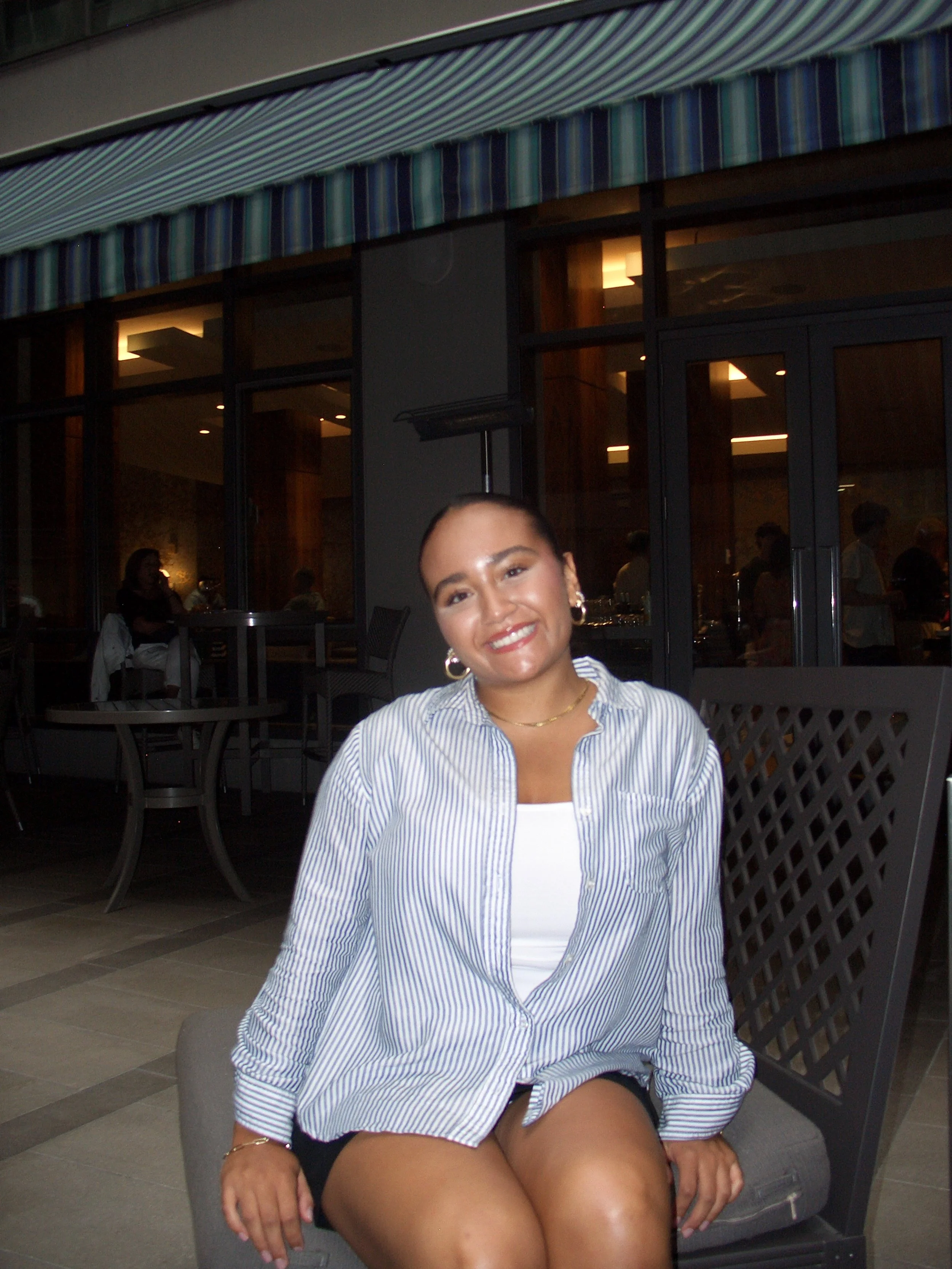
Lily Francis Lemrow-Collazo-Rosario is a freshman at the University of Michigan studying Art & Design, with plans to pursue a dual degree in English. Guided by a love for poetry, her work weaves together language and imagery to trace the contours of identity and the stories that shape it. In her free time, she enjoys reading, visiting coffee shops, thrifting, and making ceramics.
Note from the Artist: “Messenger Boy 296” draws deep inspiration from Pedro Pietri’s “Puerto Rican Obituary”, an important poem that gave voice to the struggles, dreams, and resilience of Puerto Rican communities in New York. Pietri’s words exposed the quiet heroism within everyday labor, and I wanted to echo that same spirit in the story of my grandfather, my papa José, whose life embodied both hardship and pride.
This piece is an homage to his upbringing in Spanish Harlem, to the endless days he spent working and waiting, and to the dignity he carried through it all. My grandfather’s sacrifices became the foundation on which I now stand, the reason I can hear his stories, celebrate our Nuyorican roots, and be proud of where I come from.
“Messenger Boy 296” celebrates the working-class poetry of survival. It honors those who delivered not just packages, but the very essence of perseverance, love, and identity across generations.